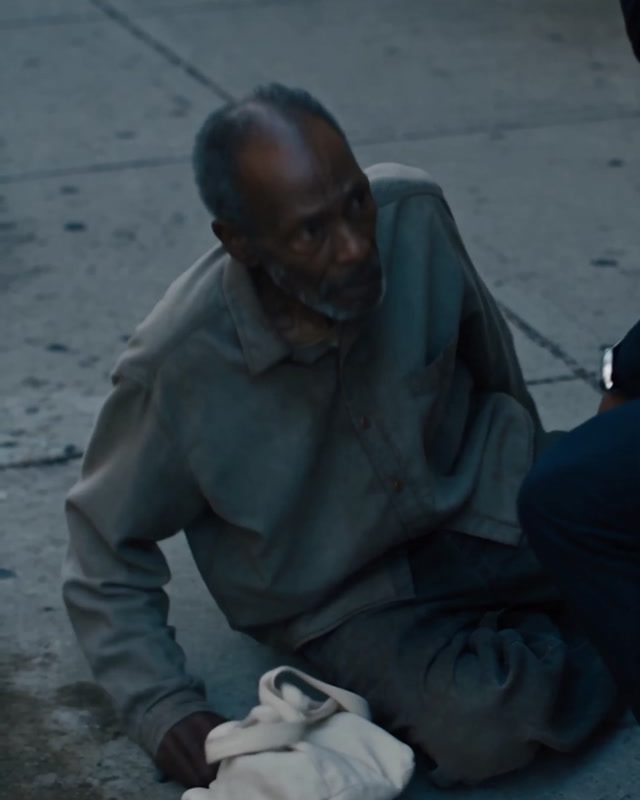
The Old Man Had Fed Him First
Listen to the story
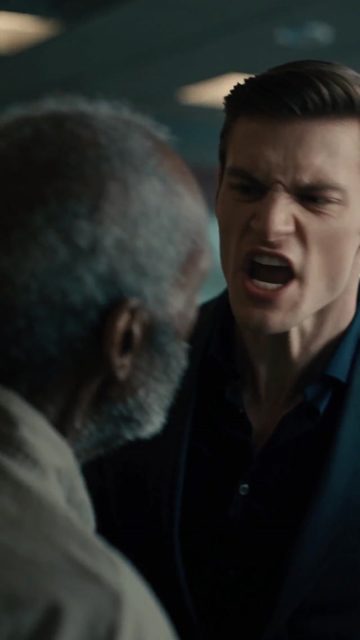
"I'm not doing anything to you, Kevin," Clarence said. "I'm just finally done letting you do it to me."
Kevin flinched like he'd been slapped.
Clarence kept going. His voice wasn't loud. It didn't need to be.
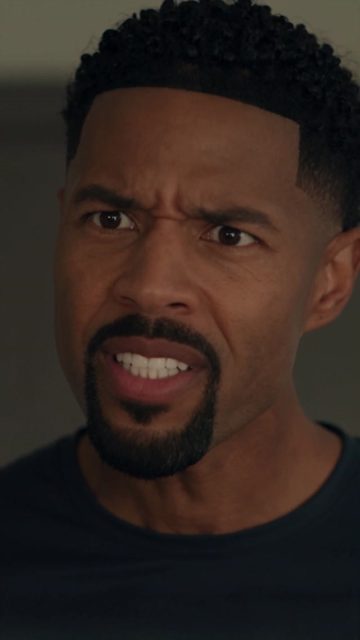
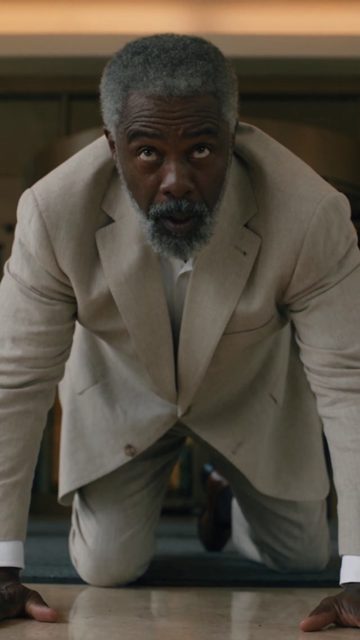
"I slept at the bus station, son. Five weeks. I ate out of trash cans behind the Kroger. A man in an apron threw me on the ground today, and the only person who picked me up was a little boy I fed in a school cafeteria twenty-five years ago. Not my son. Not my blood. Him."
He pointed at Jordan.
"You want to know if I'm gonna do this to you? You already did it. To me. To your mama's garden. To her house. I'm just turning the lights on so everybody can see."
Tanya opened her mouth.
"Not you," Clarence said, without even looking at her. "I'm talking to my son."
Kevin's eyes filled up. He looked at the gravel where his mother's roses used to be. He looked at the new SUV.
"It was Tanya's idea," he said quietly.
"Kevin!"
"It was. She said you'd never notice. She said you'd be fine at the shelter for a few weeks, and then we'd figure something out." He wiped his face. "I knew it was wrong, Pop. I knew. I just didn't stop it."
Clarence nodded slowly.
"That's the part that's gonna stay with you," he said. "Not that she did it. That you watched."
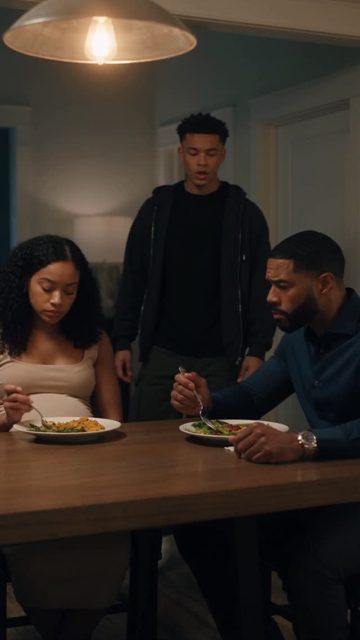
Kevin signed the new deed that night, at the same kitchen table, with Jordan watching every line. Tanya refused to sign anything and locked herself in the bedroom. It didn't matter. The house had never been hers.
They moved out in nineteen days. Tanya took the SUV. Kevin took the bus.
The district attorney didn't charge Kevin. Clarence asked him not to.
Renee Carter lost her notary license. Tanya was charged with forgery and fraud, and her lawyer worked out a plea. Two years probation and full repayment of every pension check that had gone into the joint account while Clarence was sleeping at the bus station.
Six thousand four hundred dollars. Clarence used it to replant Annette's garden.
Roses, the same red ones. He did it himself, on his knees, one at a time. Jordan came over on a Saturday and helped, in old jeans, getting dirt all over himself.
"You're bad at this," Clarence told him.
"I'm a lawyer, Mr. Moore. I don't know which end of a shovel to hold."
"Then hold the coffee. Let the real men work."
They laughed until Clarence had to sit down.
Jordan got him new glasses. Then new teeth. Then a cardiologist who actually returned his calls. And every Sunday after church, Jordan drove over to the house on Delmar Street, and they sat in the rocking chairs on the porch, and Clarence told stories about Lincoln Elementary that Jordan had never heard. Who used to steal the erasers. Which teacher cried in the supply closet every Friday. How many kids Mr. Moore had fed with "forgotten" lunches over thirty-one years.
"Hundreds," Clarence said. "Nobody ever said thank you. That's all right. That ain't why you do it."
One Sunday, Jordan brought a framed copy of the old cafeteria photo and hung it in the hallway, right next to Annette's wedding picture. Clarence stood in front of it for a long time with his new glasses on.
"I never could see the faces good in that one," he said. "Now I can."
He tapped the glass over the skinny kid in the front row.
"That boy ate like he was scared somebody would take it away. Every day. Broke my heart." He looked over at Jordan. "Now look at him. Hanging pictures in my house in a three-hundred-dollar shirt."
"It was on sale," Jordan said.
"Sure it was."
Sal never cashed the fold of money.
That's what Jordan found out three months later, when he walked into Sal's Lunch Counter and found the cash, still folded, in an envelope taped behind the register. His business card was still on top.
"Didn't feel right," Sal said. He wouldn't look at him. "Man worked his whole life and I put him on the ground like a bag of garbage. I been thinking about that a lot."
Above the cash register, there was a new sign. Handwritten, in red marker, on the back of a menu.
IF YOU'RE HUNGRY, SIT DOWN. IT'S PAID FOR.
"Somebody's always gonna be hungry," Sal said. "Figured I'd stop throwing them out."
On a cold afternoon in January, the door of the diner opened and a skinny teenager came in. Hoodie, no coat, sneakers coming apart at the toe. He stood by the door like he wasn't sure he was allowed to be there.
Sal looked up from the grill. And before he could say anything, a voice came from the booth by the window.
"Son. Come sit down. You forgot your lunch."
Clarence Moore, in a pressed shirt and new glasses, slid a plate across the table. Salisbury steak, rice, mac and cheese, fries.
The kid stared at him.
"I didn't order anything," he said.
"I know," Clarence said. "Eat."
Kevin called his father on Christmas. Clarence picked up. They talked for four minutes about the weather and the Cardinals.
It wasn't forgiveness. Not yet. But it was a phone call.
So what do you think? Should Clarence ever forgive his son, or are some things too big to forgive? Tell us in the comments.
Should Clarence forgive his son?
Thanks for voting. Tell us why in the comments on our page.
This is a fictional story. Names, characters and events are invented. Any resemblance to real people or events is coincidental.